
Analytical Lab Instrument Repair for LC-MS, GC-MS, HPLC & Other Systems
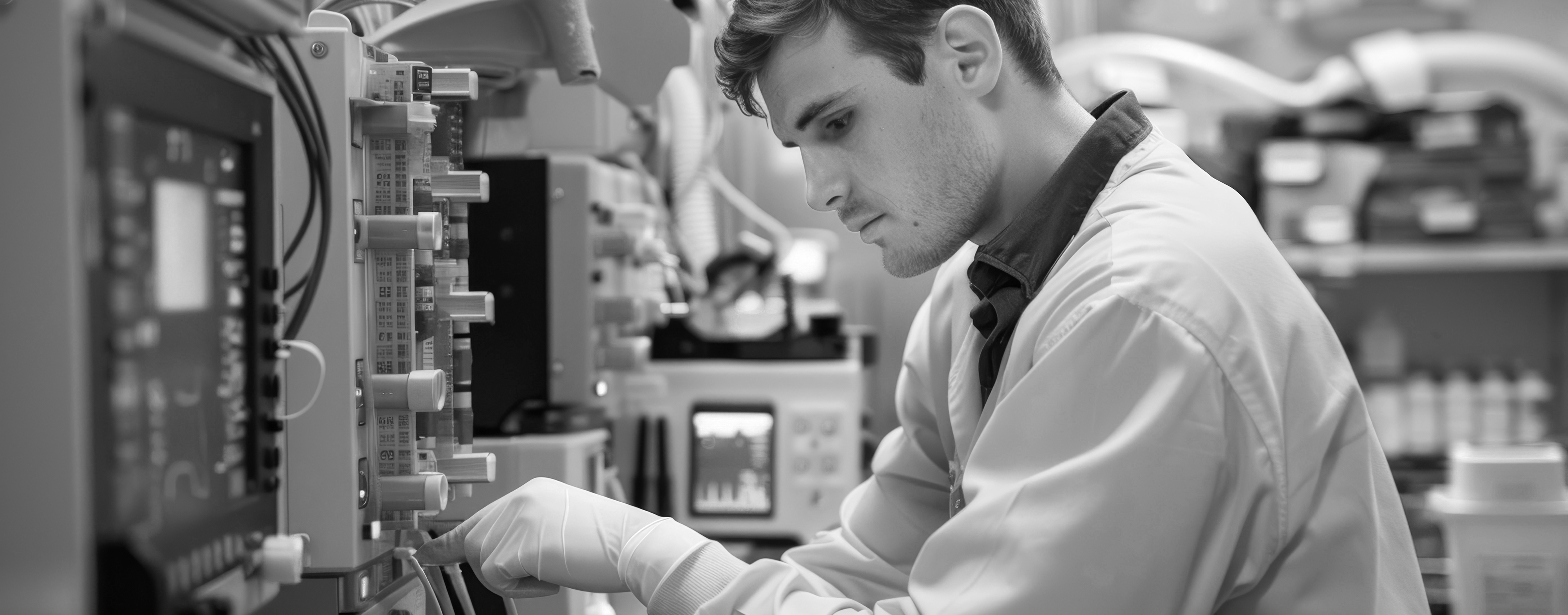
ILS engineers repair LC-MS, GC-MS, and HPLC systems nationwide, bringing more than 30 years of combined field experience to every call across every major OEM.
Why Analytical Labs Trust ILS with Their Repairs
We Service Every Major OEM Platform
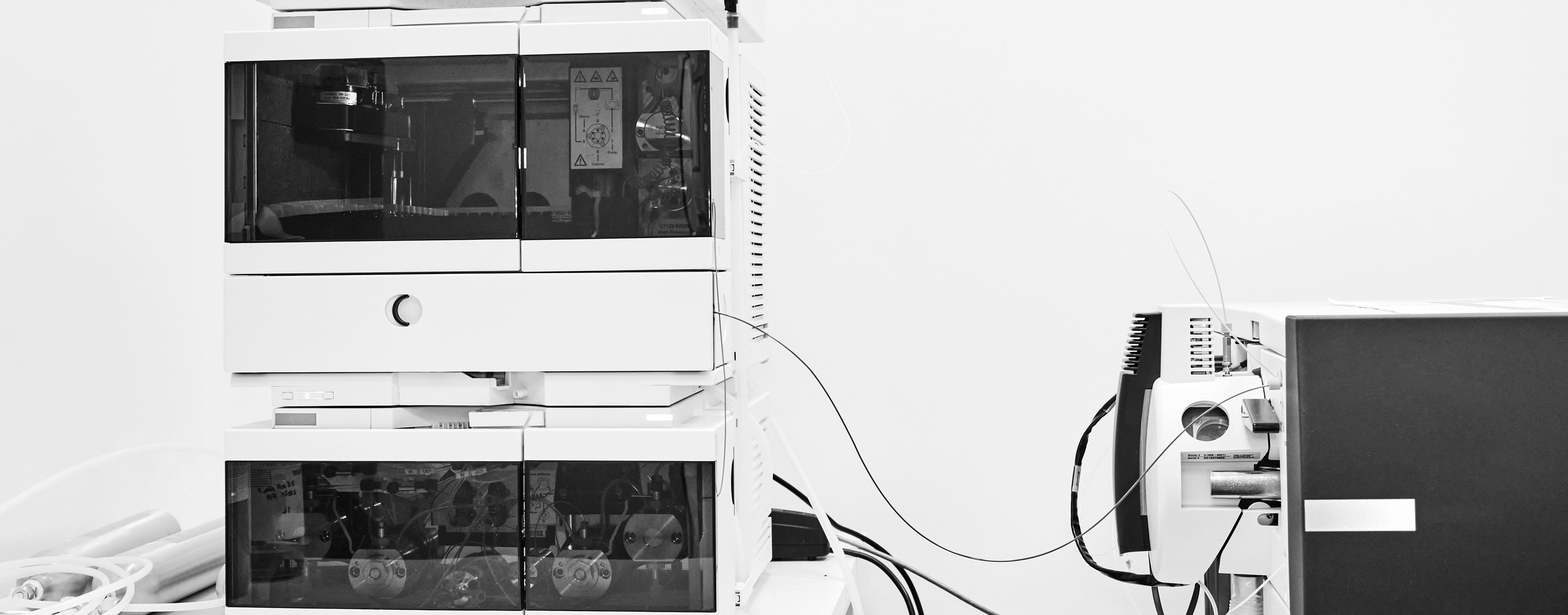
Our engineers service thousands of LC-MS, GC-MS, and HPLC systems across Sciex, Agilent, Shimadzu, Waters, and PerkinElmer platforms, spanning labs in clinical toxicology, pharmaceutical, food and beverage, and environmental testing.
We Retune What We Repair
A new pump, source, or detector rarely matches the exact tolerances of the part it replaced. That’s why every ILS repair includes recalibration and retuning, so the system leaves verified to spec, not just running again.
We Have Engineers Right Near Your Lab
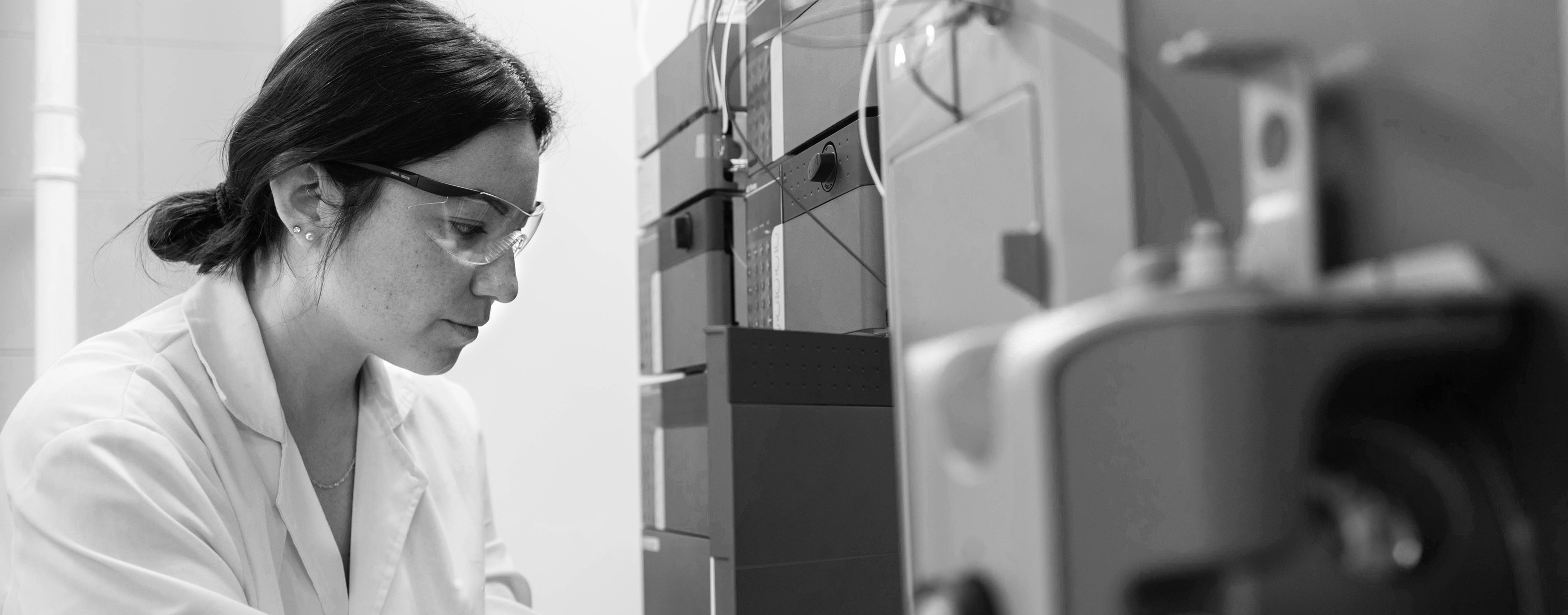
Regional engineers stationed in Ohio, New Jersey, Florida, Washington, and California keep us well inside our 48-hour response window, often with a remote diagnosis already underway.

We’re Backed by a Full-Lifecycle Network
With Overbrook Group and AIM Analytical now part of ILS, a repair call connects you to a team that also handles equipment sourcing, laboratory relocations, and asset management.
– Supervisor, Chemistry at F500 Food Laboratory
Equipment-Specific Repair Capabilities
Liquid Chromatography-Mass Spectrometry (LC-MS) Repair
When an LC-MS system fails to meet spec, the cause typically traces to ion source contamination, a vacuum system leak, or drifted mass calibration. ILS identifies which component is responsible before replacing anything, then recalibrates the ion path to confirm sensitivity returns to full specification.
LC-MS repair work covers:
Gas Chromatography-Mass Spectrometry (GC-MS) Repair
GC-MS failures can stem from several overlapping causes: injector port wear and column bleed both degrade peak shape, while detector fouling produces a drop in sensitivity similar to a carrier gas failure. ILS traces the failure to its actual source before replacing components.
Common GC-MS repair work includes:
- Injector port replacement and inlet troubleshooting
- Detector cleaning, troubleshooting, and calibration
- Column bleed diagnostics and replacement
- Agilent and PerkinElmer systems, supported by Peak Scientific nitrogen generators
High-Performance Liquid Chromatography (HPLC) Repair
When an HPLC system fails, the cause is usually at one of the interface points: a worn pump seal, a degraded check valve, or an autosampler needle past its service life. ILS identifies the specific point of failure during diagnosis and repairs it accordingly.
HPLC repairs typically include:
- Pump seal and check valve replacement
- Autosampler needle and valve diagnostics
- Column and detector troubleshooting
- Mobile phase delivery and pressure fluctuation diagnostics
- Agilent 1100 and 1200 Series, plus Shimadzu 10, 20, 30, and 40 series
Inductively Coupled Plasma Mass Spectrometry (ICP-MS) Repair
Our ICP-MS repair work includes:
- Nebulizer and sample introduction troubleshooting
- Torch and RF coil diagnostics
- Interface cone cleaning and replacement
- PerkinElmer NexION Series systems
Ultra-High-Performance Liquid Chromatography (UPLC) Repair
UPLC systems operate at significantly higher pressures than standard HPLC systems, so seal and check valve wear occurs faster and with less warning. ILS applies the same diagnostic process used on HPLC systems, adjusted for that shorter failure window.
UPLC repair covers:
- High-pressure pump seal and check valve replacement
- Injector needle seal diagnostics
- Column back-pressure troubleshooting
- Multi-vendor UPLC coverage across standard lab configurations
Gas Chromatography (GC) Repair
Standalone GC systems fail at many of the same points as a GC-MS front end: worn injector septa, contaminated columns producing bleed, and carrier gas leaks that introduce baseline drift. ILS diagnoses which of these is responsible based on the detector type in place, flame ionization or thermal conductivity.
GC repair work covers:
- Injector septum and liner replacement
- Column bleed and carrier gas leak diagnostics
- Detector troubleshooting (FID, TCD, and related detector types)
- Agilent GC platforms, supported by Peak Scientific nitrogen generators
What to Expect From an ILS Repair Call
1. You reach an engineer, not a queue
Within minutes, you’re talking to a qualified engineer, not waiting on hold or for a callback.
2. We diagnose it before we drive
We walk through symptoms, error codes, and maintenance history by phone to narrow the failure to a specific component, then arrive on-site with that part already in hand.

3. We recalibrate and review
We recalibrate the system to confirm everything is back to spec, and check seals, valves, and other components under similar stress before calling the job done.
Analytical Lab Instrument Repair FAQs
How long does an analytical instrumentation repair typically take?
Most repairs are completed in a single visit once the failure is diagnosed, with on-site work typically happening within 48 hours of the initial call. LCMS repairs requiring a full retune, GCMS repairs requiring extensive column or detector work, and HPLC pump rebuilds can extend that timeline depending on the diagnosis.
Is analytical instrumentation repair performed on-site, or does equipment need to be shipped out?
On-site, in most cases, across LCMS, GCMS, and HPLC systems. Our nationwide network of engineers responds directly to your lab, with the parts identified during remote diagnosis already in hand, rather than requiring equipment to be removed and shipped to a service center.
Can analytical instrumentation repair be requested on an emergency basis?
Yes, for LCMS, GCMS, HPLC, and other analytical systems. Emergency requests connect you with a qualified engineer within minutes, and regional coverage keeps on-site response typically within 48 hours.
Can equipment past its OEM end-of-life still be repaired?
In most cases, yes. A manufacturer discontinuing support doesn’t mean the instrument can’t be serviced. Our engineers are trained across multiple OEMs and can often keep older systems running well past their official support window.
Does a repair need recalibration after a part is replaced?
Often, yes, particularly on mass spec systems. Replacement parts rarely match the exact tolerances of the originals, so a new ion source or power supply can leave sensitivity out of specification until the system is retuned.
Is an independent repair provider or an OEM service contract the better option?
It depends on your equipment mix and how often you need service. Labs weighing that decision can see the full breakdown here.
What instrument types does ILS repair?
We specialize in category 3 chromatography and mass spectrometry equipment, including LC-MS, GC-MS, ICP-MS, HPLC, UPLC, and GC systems from Sciex, Agilent, Shimadzu, Waters, and PerkinElmer. Our specialty is Sciex LC-MS, including Q-Trap Triple Quad models 3500-7500 and the API series.
Can ILS repair mixed-vendor configurations, like a Sciex mass spec running on an Agilent LC front-end?
Yes. Our engineers are trained across common front-end and back-end combinations, not just single-vendor systems.
No time for downtime.
Request emergency repair or schedule a call, and a qualified engineer will follow up to get your instrument back online.

6909 Columbus Rd. SW
Granville, OH 43023
sales@innlabserv.com
(614) 858-5305
© 2019 Innovative Lab Services. All rights reserved.