
Blog

What Analytical Labs Need to Know About the August 2026 EU PFAS Ban
The European Union's Packaging and Packaging Waste Regulation (PPWR) bans PFAS, or per- and polyfluoroalkyl substances, above set limits in food-contact packaging, and that part of the law took effect on August 12, 2026, with no grace period for packaging manufactured...
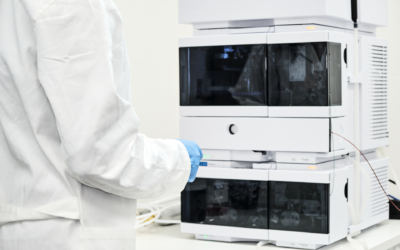
Is Your Practice Ready to Bring Toxicology Lab Testing In-House? Here’s 5 Questions to Ask First
Should you bring your toxicology testing in-house? For some practices, the benefit of converting reference lab invoices into revenue outweighs the lab start-up cost. For others, documentation missteps end up costing them more than it's worth. In this blog, we're going...

Qualification and Validation: Which One Applies to Your Lab Instrument, and When
In analytical lab conversation, qualification and validation can be treated like synonyms. However, an instrument can clear every qualification check on the books — but without method validation, there is no confirmation that it will produce accurate results for the...
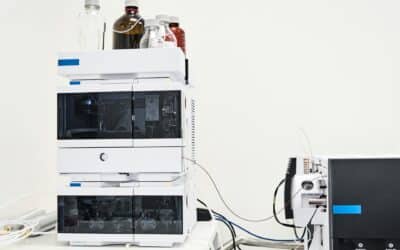
7 Questions to Ask Before Buying a Refurbished LC-MS or GC-MS System
Refurbished LC-MS and GC-MS systems can cut instrumentation costs by 30–50% compared to new OEM pricing. The problem is that "refurbished" doesn't describe a process. It's a label that covers everything from a system that's been validated against real methods to one...

How to Keep Your Analytical Lab Audit-Ready Year-Round, Even When Multiple Vendors Handle Service
Most labs treat an audit like a deadline, something to prepare for in the weeks before it happens. That works until an auditor asks for one specific document, and the lab has to go find out whether it exists. What holds up under review is rarely the paperwork...
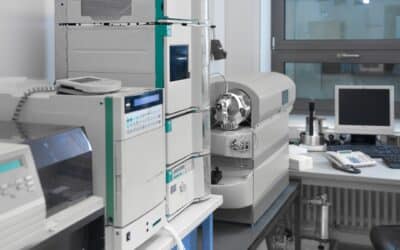
Is Your Analytical Lab Instrument Qualification Up to Date? 3 Things Your Documentation Needs to Prove
Analytical lab instrument qualification is not just something to confirm once and file away until the next scheduled requalification. As conditions change, qualification records need to be kept up to date, so that when an auditor asks for the qualification trail for a...

How a Lab Instrument Maintenance Plan Catches the Failures Your PM Schedule Misses
A PM schedule and a lab instrument maintenance plan aren't the same thing. Most labs running LC-MS, GC-MS, and ICP-MS instruments discover that when something fails between scheduled visits despite service running on time. The scope just didn't reflect how those...
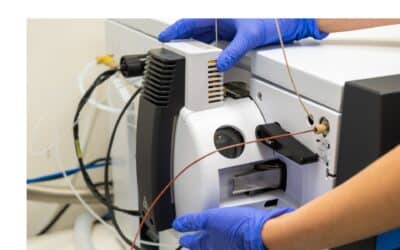
Is an OEM Contract the Right Fit for Your Lab? Here’s When to Call an Independent Mass Spec Service Provider.
OEM mass spec service contracts are built around a specific set of situations, and for those situations they work well. Labs running into slow response times, parts availability problems, or diagnostic issues that keep bouncing between vendors are often better served...

The Do’s and Don’ts of Relocating Mass Spec Analytical Instrumentation
Mass spec instrument relocation is more than a logistics problem. Whether across the hall or to a new facility, moving a mass spectrometer is a qualification event under GMP and ISO/IEC 17025 frameworks. If your lab has a move coming up, or is in the middle of...

New vs. Refurbished Analytical Instrumentation: Why Validation Matters More Than Cost
The assumption is that new instrumentation means reliability and refurbished instrumentation means compromise. In practice, the questions are much simpler: does the instrument meet your method requirements, and did the vendor validate it against your specific...