
Agilent 6890 Series GC Service & Maintenance
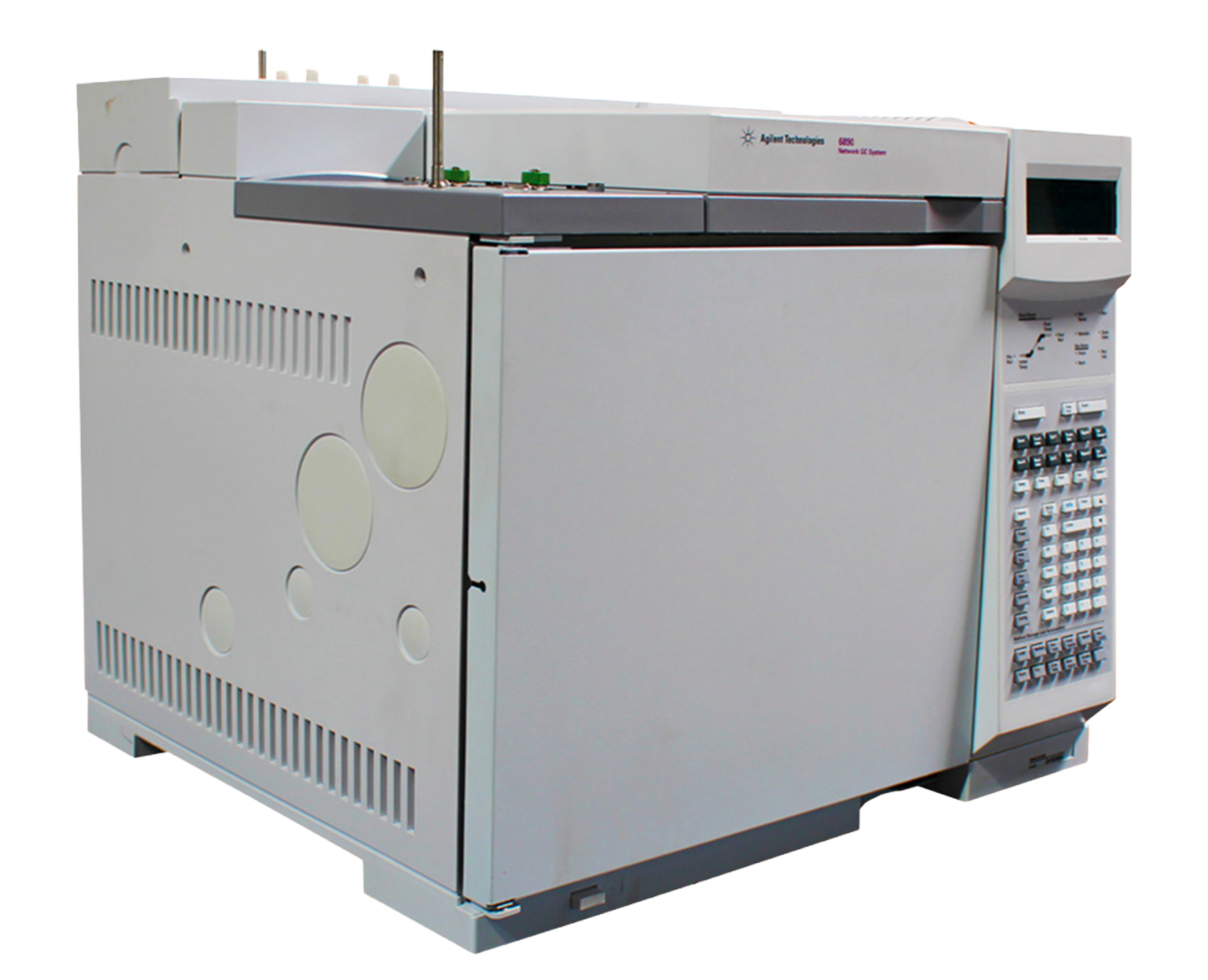
Service & Maintenance Support for Agilent 6890 GC Systems
Reliable operation of your Agilent 6890 gas chromatograph is critical for consistent separations, reproducible retention times and lab throughput. ILS provides independent service, preventative maintenance and break-fix repair for legacy Agilent 6890 and 6890N instruments, along with other Agilent GC platforms. Our local engineers offer 48-hour response time, and we can service a wide range of instruments across your portfolio.
About the 6890 Series: Proven Workhorse Gas Chromatography
The Agilent 6890 is an established benchtop gas chromatograph built around electronic pneumatics control, flexible inlet options and a range of detectors including FID, TCD, ECD and NPD. It was widely adopted for its robustness, reproducibility and broad method compatibility, and remains a dependable workhorse in many labs years after release.
The 6890 series is commonly found in environmental, petrochemical, food and beverage, pharmaceutical and forensic laboratories. Typical use cases include volatile and semi-volatile compound analysis, residual solvent testing, hydrocarbon profiling and routine quantitation across regulated and research environments.
Preventative Maintenance for Agilent 6890 GC Systems
Routine preventative maintenance keeps 6890 systems stable, reproducible and compliant, especially where inlet leaks, drifting retention times or detector noise can disrupt reporting and regulatory timelines. Labs can perform this work in-house, tap Agilent directly, or work with an independent service provider like ILS.
In general, maintenance for the legacy 6890 should focus on preserving inlet and pneumatic integrity, controlling consumable wear in the inlet and column flow path, and proactively replacing aging components before they affect retention-time reproducibility, peak quality or instrument uptime.
Basic Agilent Preventative Maintenance
Daily
Confirm the GC reaches ready status with no unexpected “Not Ready” conditions, and check carrier and detector gas pressure and trap condition. Monitor septum and liner wear, and check detector baseline: FID should stay stable and under 20 pA, TCD between 12.5–750 μV, and uECD under 1000 Hz.
Weekly
Replace septa, liners, O-rings, gold seals, and ferrules based on sample load and contamination. Leak-check the inlet, column, and detector connections with an electronic leak detector, and run a reference standard to confirm column performance hasn’t drifted.
Yearly
Perform the full 7890 PM, inspecting the split system and replacing the split trap or line if needed. Service or rebuild the detector as the type calls for it, whether that’s a new FID jet, a cleaned NPD collector, a TCD filament and baseline check, a uECD wipe test every six months, or FPD/FPD+ seal and ignitor replacement, then cap the inlet and each detector to verify pressure decay against measured flows.
Staying on this schedule catches drift, leaks, and worn parts before they affect data quality.
Common Issues Addressed During Maintenance
Inlet Leaks & Seal Wear
- Air or carrier leaks from worn septa, liners or gold seals
- Misaligned or unsealed septum weldment
- Loss of split ratio control or inconsistent injections
Pneumatics & EPC
- Inlet pressure or split flow reading zero or unstable
- Insufficient supply pressure to the EPC module
- High inlet pressure from blocked septum-purge or split-flow paths
Column & Flow Path
- Drifting or irreproducible retention times
- Column bleed or contamination affecting baseline
- Restricted flow from contaminated traps or fittings
Detector Performance
- Elevated baseline noise or declining sensitivity (FID/TCD/ECD)
- Contaminated FID jet or damaged interconnect spring
- Ignition or response failures
Electronics & Temperature
- Oven temperature instability or ramp inaccuracy
- Heated-zone or thermocouple faults
- Intermittent communication or acquisition errors
“ILS listens. They will help you troubleshoot over the phone if you want to try and get stuff out faster, but if not, they usually will show up the next day without making you jump through a million hoops.”
Common Agilent 6890 Fault Status Troubleshooting
Agilent 6890 faults are typically reported through the instrument keypad and the chromatography data system (such as OpenLab or ChemStation), with status and error messages indicating inlet, pneumatic, oven or detector conditions. A not-ready or fault indicator may also signal a problem state.
Troubleshooting requires interpretation of software messages and instrument readings by an Agilent-trained Qualified Maintenance Person or an experienced independent engineer from ILS. Common fault symptoms include inlet leaks, zero or unstable pressure readings, retention-time drift and detector baseline issues.
ILS Offers Trustworthy, Affordable Third-Party Service for Legacy Agilent GC Systems
Having an issue with your Agilent 6890 GC system? ILS has the answer. Our team of engineers provides preventative maintenance, troubleshooting and emergency repairs nationwide.
Our team is held to the same quality standards as OEM engineers, but we are set apart by true 48-hour response times, multi-vendor service, and flexible engagement models. If you simply need your legacy Agilent GC system to deliver reliable, reproducible results with minimal downtime, ILS is your best option.
No time for downtime.

6909 Columbus Rd. SW
Granville, OH 43023
sales@innlabserv.com
(614) 858-5305
© 2019 Innovative Lab Services. All rights reserved.