
SCIEX 7500 LC-MS/MS Service & Maintenance
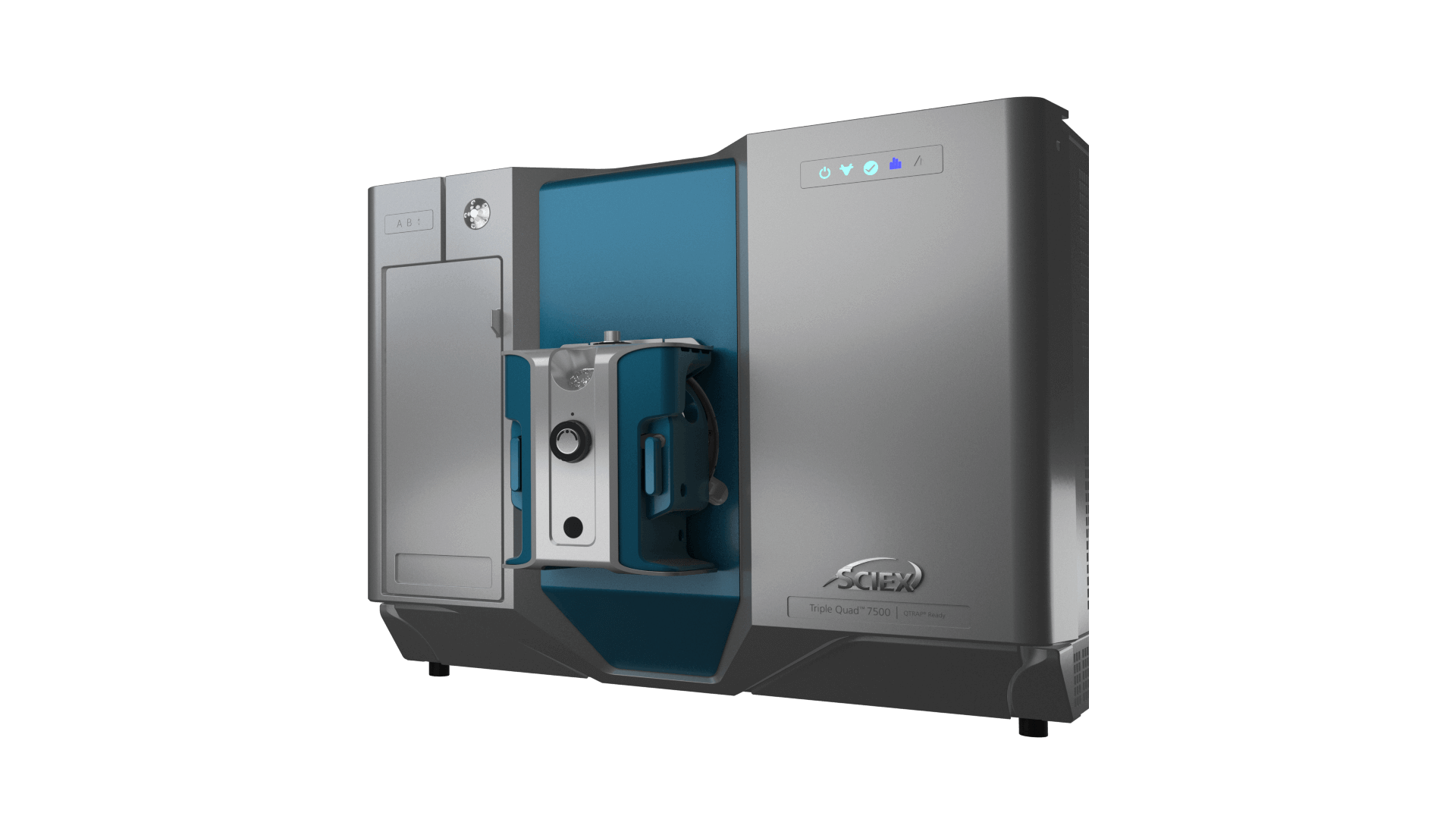
Service & Maintenance Support for the SCIEX 7500 LC-MS/MS System
Reliable operation of your SCIEX 7500 LC-MS/MS system is critical for consistent data quality, throughput and uptime. ILS provides independent service, preventative maintenance and break-fix repair for SCIEX 7500 series instruments, along with other SCIEX LC-MS/MS platforms. Our local engineers offer 48-hour response time, and we can service a wide range of instruments across your portfolio.
About the 7500: Ultra-High Sensitivity for Advanced Quantitation
The SCIEX 7500 Series is a high-sensitivity triple quadrupole LC-MS/MS platform built for advanced quantitative workflows where exceptional sensitivity, robustness and reproducibility are essential.
Commonly found in pharmaceutical, clinical research, environmental and food testing labs the 7500 is often deployed for applications requiring lower limits of quantitation and improved signal-to-noise performance. Typical applications include biomarker quantitation, bioanalytical studies, PFAS analysis, clinical research assays and ultra-trace contaminant detection in complex matrices.
Preventative Maintenance for the SCIEX 7500
Routine preventative maintenance is essential to keeping the SCIEX 7500 series stable, sensitive and compliant, especially where unplanned downtime and failed calibrations can disrupt reporting and regulatory timelines. Labs can perform this work in-house, tap SCIEX experts directly, or work with an independent service provider like ILS.
In general, SCIEX 7500 maintenance should focus on stabilizing high-vacuum performance, minimizing source and ion path contamination, and proactively identifying aging components before they affect ultra-trace sensitivity, reproducibility or uptime.
Basic SCIEX 7500 Preventative Maintenance
Daily
- Visual inspection of ion source and spray stability
- Verification of curtain gas, nebulizer gas and collision gas pressures
- Monitoring of background noise, baseline stability and system pressures
Monthly
- Ion source cleaning (probe, curtain plate and orifice)
- Inspection of LC interface and sample introduction components
- Monitoring for contamination, sensitivity loss or response drift
Quarterly
- System performance verification and compound optimization
- Inspection of roughing pump operation and exhaust condition
- Evaluation of vacuum stability, pressure readings and pump-down times
Annual
- Comprehensive vacuum system inspection (rough pump and turbo)
- Rough pump service, oil change or rebuild as needed
- Source, orifice and ion path cleaning and inspection
- Calibration, mass accuracy check and performance validation
Common Issues Addressed During Maintenance
Vacuum System Degradation
- Extended pump-down times after venting or maintenance
- Unstable interface or analyzer pressure readings
- Rough pump wear, oil degradation or minor vacuum leaks
Ion Source Contamination
- Loss of sensitivity in ultra-trace quantitative methods
- Spray instability or inconsistent ionization
- Elevated background noise or chemical interference
Calibration & Tuning Drift
- Incomplete or inconsistent compound optimization
- Reduced mass accuracy or declining MRM response
- Gradual method performance degradation
Gas Flow & Temperature Issues
- Drift in curtain, nebulizer or collision gas supply
- Source heater instability affecting desolvation efficiency
Electronics
- Power supply fluctuation or internal voltage faults
- Intermittent communication or acquisition errors
Complete LC-MS/MS System Coverage
A SCIEX 7500 system doesn’t run alone. In most labs, it operates as part of a complete analytical system — paired with an LC platform and dependent on a stable nitrogen supply from either a central source or an on-site generator.
ILS engineers are qualified to service the entire stack. When your system is down, we don’t stop at the mass spectrometer. We diagnose and provide maintenance across the LC, the MS and the gas supply — because in a high-sensitivity workflow, a problem anywhere in the chain affects results everywhere. That means one vendor, one call, and no finger-pointing delays
Common SCIEX 7500 Fault Status Troubleshooting
SCIEX LC-MS/MS system faults are typically reported through Analyst software, which is standard for the 7500 platform. A red indicator on the front panel LED can also signal a system fault or interlock condition.
SCIEX systems do not display a single simplified error code. Instead, troubleshooting requires interpretation of software messages, pressure readings and hardware status indicators by a SCIEX-trained Qualified Maintenance Person or an experienced independent engineer from ILS. Common symptoms of SCIEX 7500 faults include elevated vacuum pressure, unstable interface pressures, declining sensitivity at low concentration levels, gas flow errors or ion source-related issues.
ILS Offers Trustworthy, Affordable Third-Party Service for SCIEX 7500 Systems
Having an issue with your SCIEX 7500 LC-MS / MS system? ILS has the answer. Our team of engineers provides preventative maintenance, troubleshooting and emergency repairs nationwide. Our team is held to the same quality standards as OEM engineers, but we’re set apart by true 48-hour response times, multi-vendor service, and flexible engagement models.
If you simply need your SCIEX 7500 LC-MS / MS to deliver reliable ultra-trace quantitative results with zero downtime, ILS is your best option.
No time for downtime.

6909 Columbus Rd. SW
Granville, OH 43023
sales@innlabserv.com
(614) 858-5305
© 2019 Innovative Lab Services. All rights reserved.